
Artisan Fiber Craftsmanship
Hand-Spun Wool & Natural Fiber Creations
The Ancient Art of Artisan Yarn Crafting
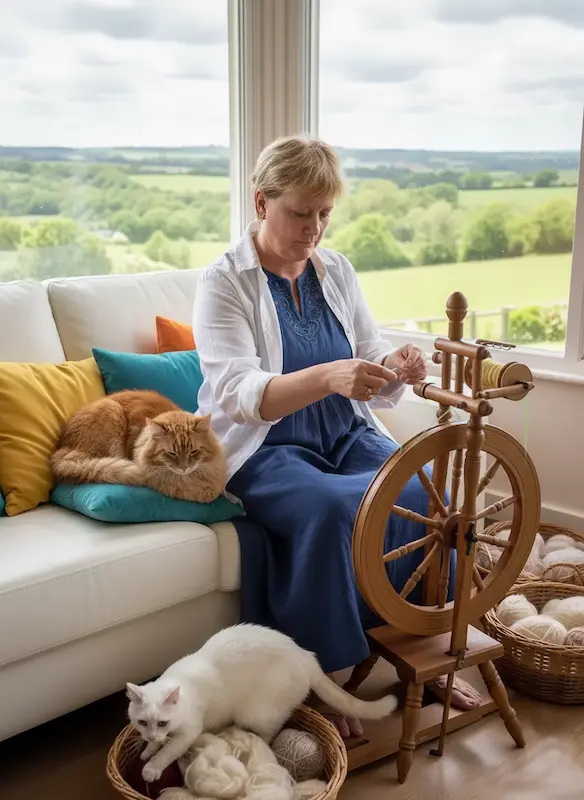
For over 10 years, Rosella Novelli has mastered the art of creating exceptional handmade spun wool and natural fiber creations. Using traditional spinning wheel techniques and contemporary artisan methods, she transforms raw fibers into high-quality yarn with remarkable character and charm.
Furthermore, all the merino, sheepskin, mohair, alpaca, and angora fleeces come from owners of a small number of these animals, located no more than 40 km from my workshop. These are animals that are loved by their owners, and therefore the fleeces are also of excellent quality.
Each skein of hand-spun yarn represents countless hours of devoted craftsmanship (from 10 to 12 hours to produce 100 gr of yarn): fiber selection, carding, spinning with precision, and finishing. Based in the picturesque Périgord Vert region of France, Rosella’s produces bespoke artisan wool creations that capture the authentic beauty and durability impossible to achieve through industrial manufacturing. Her commitment to sustainable fiber arts ensures every piece reflects genuine passion for the craft.
“The rhythm of the spinning wheel, the transformation of raw fiber into living yarn—this is where ancient tradition meets modern artistry, creating something truly irreplaceable.”
✨ Investment-Quality Natural Fiber Art
Hand Spun Wool Collections
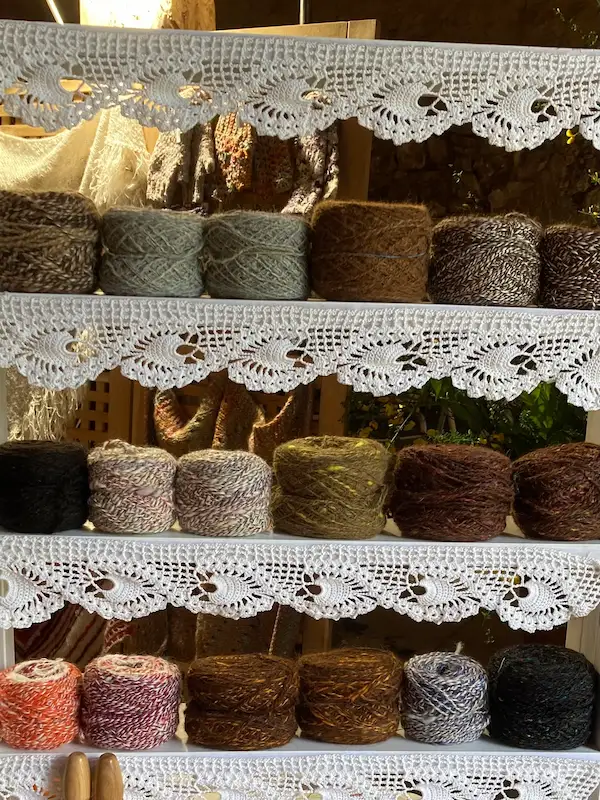

The Timeless Craft of Hand-Spinning Wool
Hand-spinning wool represents one of humanity’s oldest and most enduring crafts, transforming raw fleece shorn from sheep into beautiful, functional yarn through the ancient process of twisting and drawing natural fibers together.
For thousands of years, artisans worldwide have practiced this meditative art, and today it continues to thrive as both a sustainable textile production method and a cherished handcraft tradition.
The journey from fleece to finished yarn begins with raw wool fiber, carefully selected for its quality, texture, and natural characteristics. Each fleece tells its own story, carrying the unique properties of the sheep breed, the climate where it grazed, and the season of shearing. This connection to nature and animal husbandry makes artisan wool spinning not merely a craft, but a bridge between pastoral traditions and contemporary sustainable living.
Natural Fibers
- Raw Fleece Selection: Carefully chosen for quality, texture, and natural characteristics
- Breed Varieties: Merino, Alpaca, Mohair, Angora – each with unique fiber properties but also fiber like Silk, Bamboo, Linen, Cotton and Ramie;
- Natural Properties: Breathable, insulating, moisture-wicking, and biodegradable
Traditional Techniques
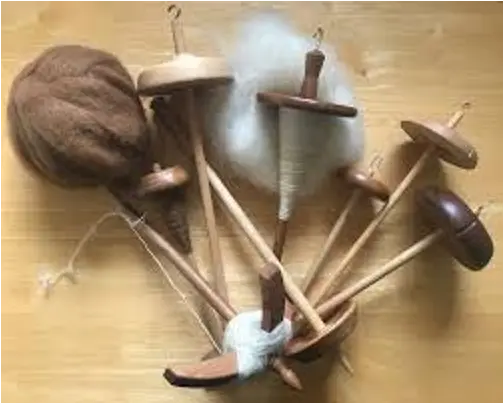
- Drop Spindle Spinning: Ancient portable method using gravity and momentum
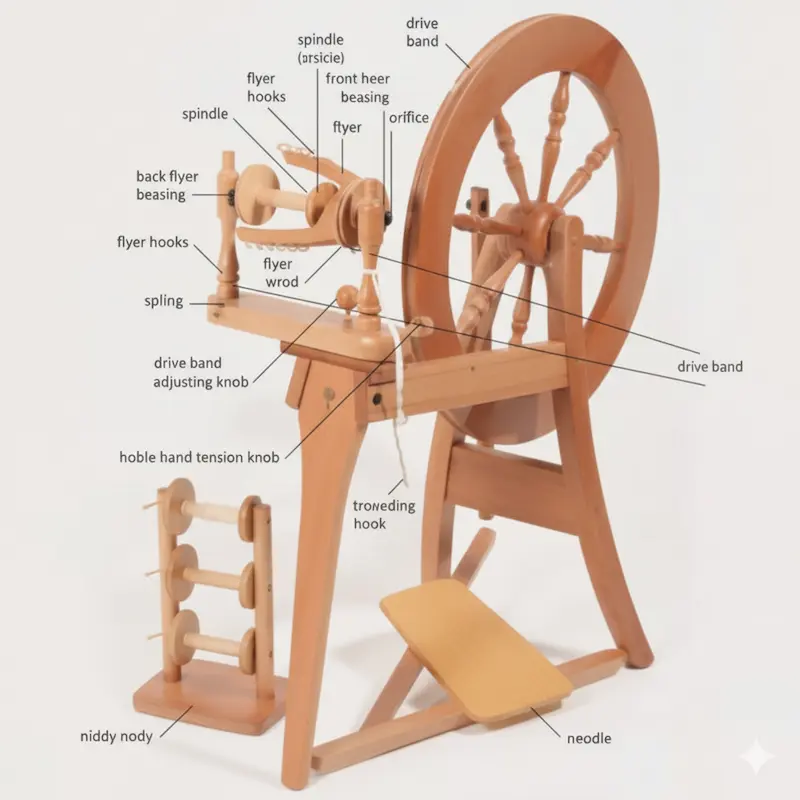
- Spinning Wheel Craft: Traditional treadle wheels for increased yarn production
- Drafting & Twisting: Hand-controlled fiber preparation and twist introduction
- Woolen & Worsted Methods: Different techniques for varied yarn characteristics
Handcrafted Creations
- Custom Yarn: Unique hand-spun yarn tailored to specific project requirements
- Artisan Textiles: Handmade woolen garments, accessories, and home décor
- Natural Colors: Undyed fibers celebrating wool’s authentic beauty
- Timeless Quality: Durable, heirloom-quality pieces crafted with patience and skill
From Drop Spindle to Spinning Wheel
Master the fundamental techniques of wool spinning, from ancient portable drop spindles to traditional treadle wheels. Each method transforms raw fleece into beautiful, functional yarn through time-honored craftsmanship.
Drop Spindle Spinning
Drop spindle spinning represents the most portable and accessible entry point for beginners learning this ancient craft. This simple tool, consisting of a weighted whorl and shaft, uses gravity and momentum to introduce twist into drafted fibers.
The Fundamental Spinning Process:
- Drafting: Pulling apart prepared wool fibers to achieve desired thickness
- Twisting: Introducing twist into the drafting triangle where fiber becomes yarn
- Winding: Storing finished yarn on the spindle while maintaining tension
- Accessibility: Practice anywhere, ideal for learning without significant equipment investment
The drafting triangle is where the magic happens—controlling fiber entry determines final yarn weight and texture.
Spinning Wheel Techniques
For those ready to increase production capacity, the spinning wheel offers faster yarn creation while maintaining handcrafted quality. Whether using a traditional treadle wheel or modern electric spinner, the principles remain consistent.
Essential Skills to Master:
- Treadling Rhythm: Coordinating foot pedal speed with fiber intake
- Fiber Drafting: Controlling the flow of prepared fibers into the mechanism
- Tension Management: Balancing twist entry and yarn take-up
- Abundant Production: Create custom artisan yarn skeins that reward your effort
Mastering spinning wheel techniques requires practice, but the results—abundant skeins of custom artisan yarn—reward the effort significantly.
Woolen vs Worsted Methods
The distinction between woolen and worsted spinning methods significantly impacts final yarn characteristics. Each technique serves different purposes and creates distinct aesthetic and functional results.
Woolen Spinning:
- Long-draw technique with carded, fluffy rolags
- Creates airy, elastic yarn with soft halo
- Perfect for cozy sweaters and warm accessories
Worsted Spinning:
- Short forward draw with combed, aligned fibers
- Produces smooth, strong, lustrous yarn
- Ideal for garments requiring drape and stitch definition
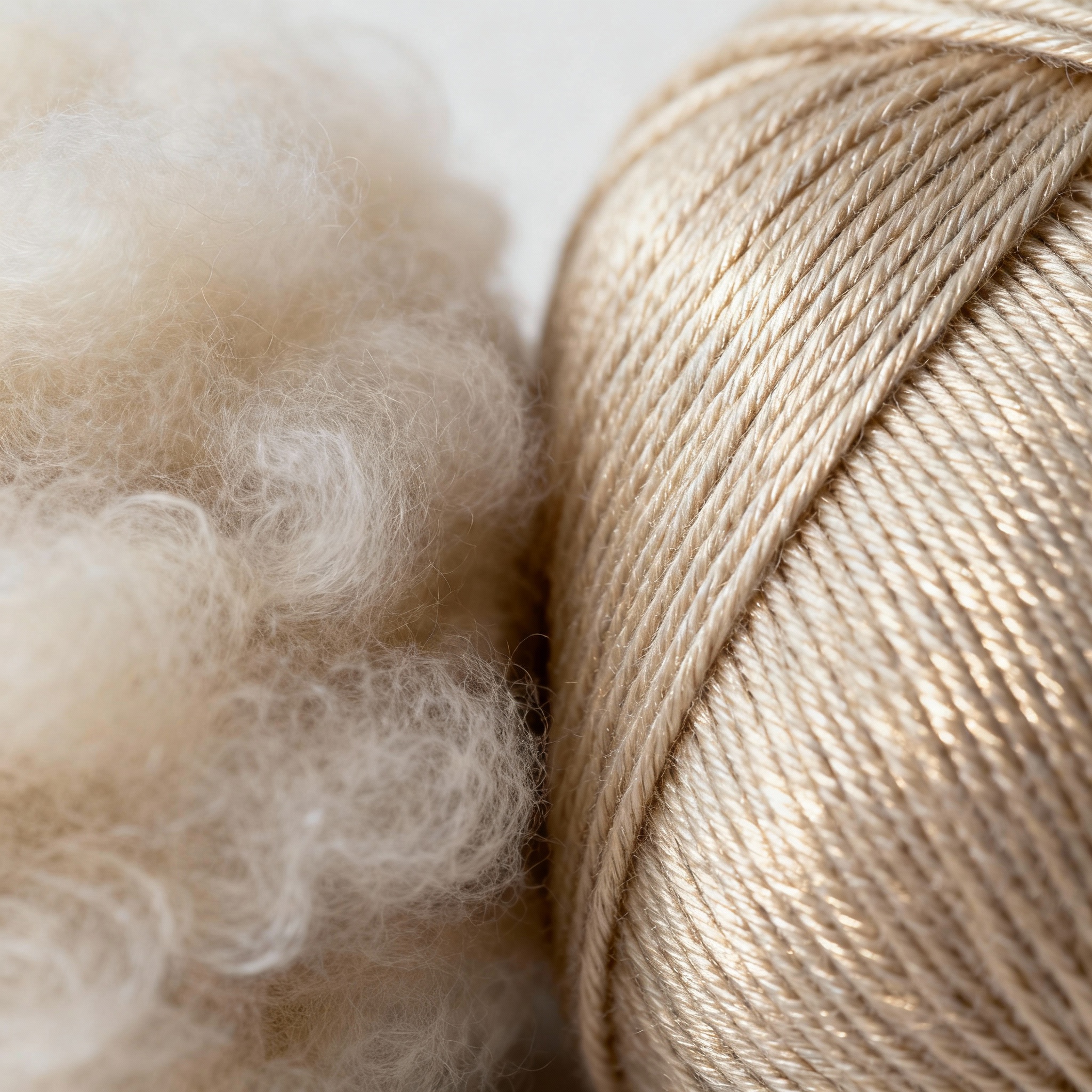
Artisan Wool Creations: Where Tradition Meets Design
Explore the complete ecosystem of artisan wool—from contemporary creations and community learning to sustainable practices shaping the future of fiber arts.
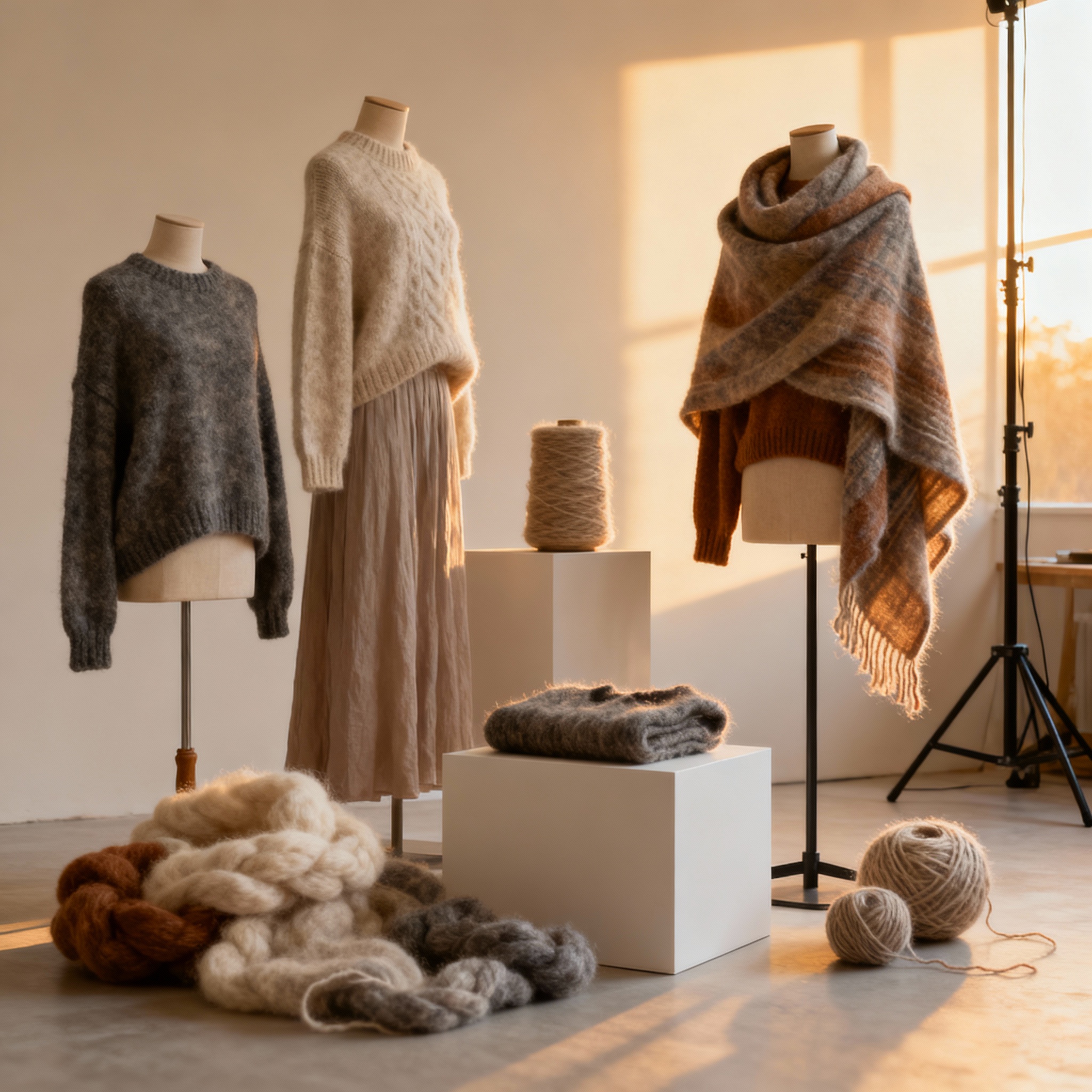
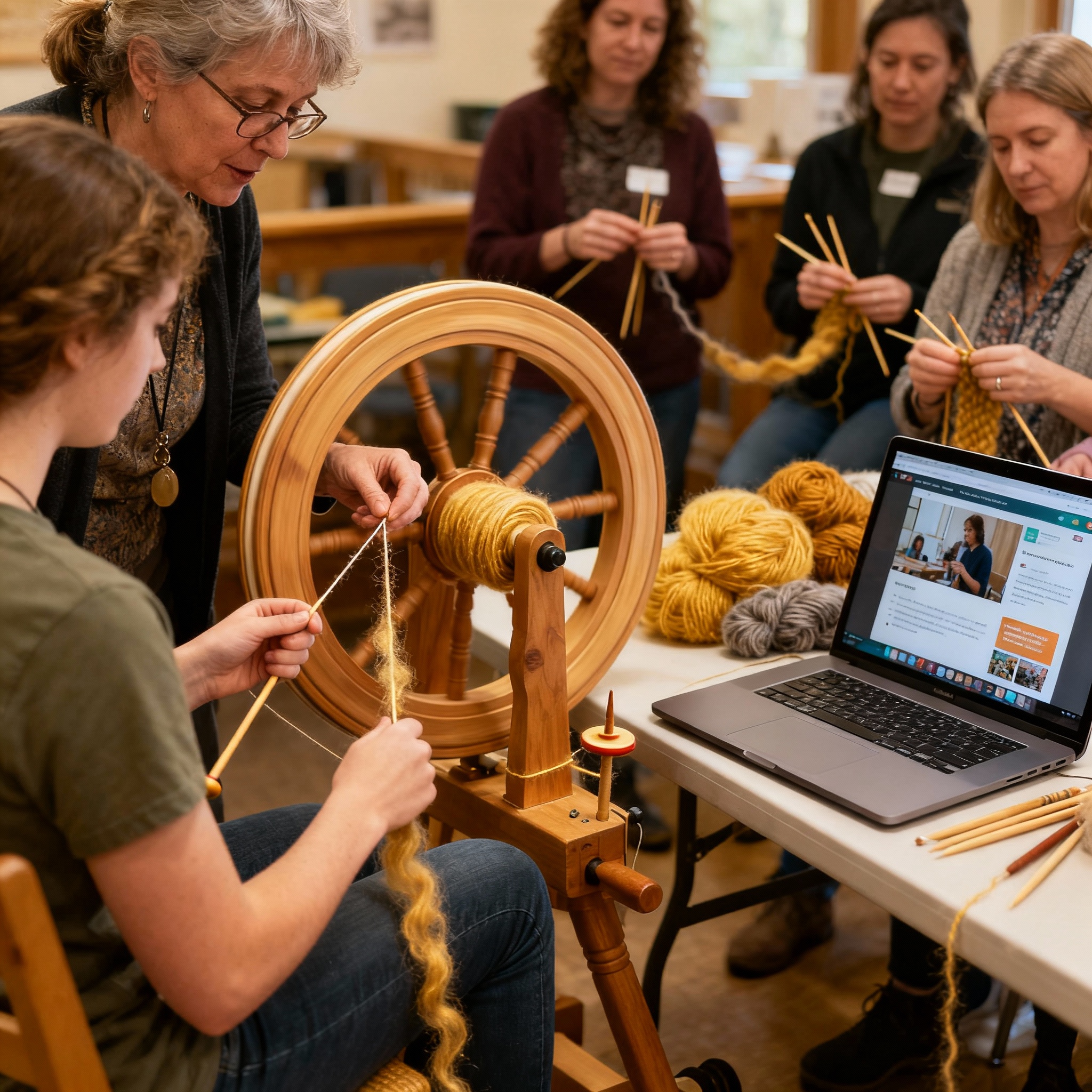
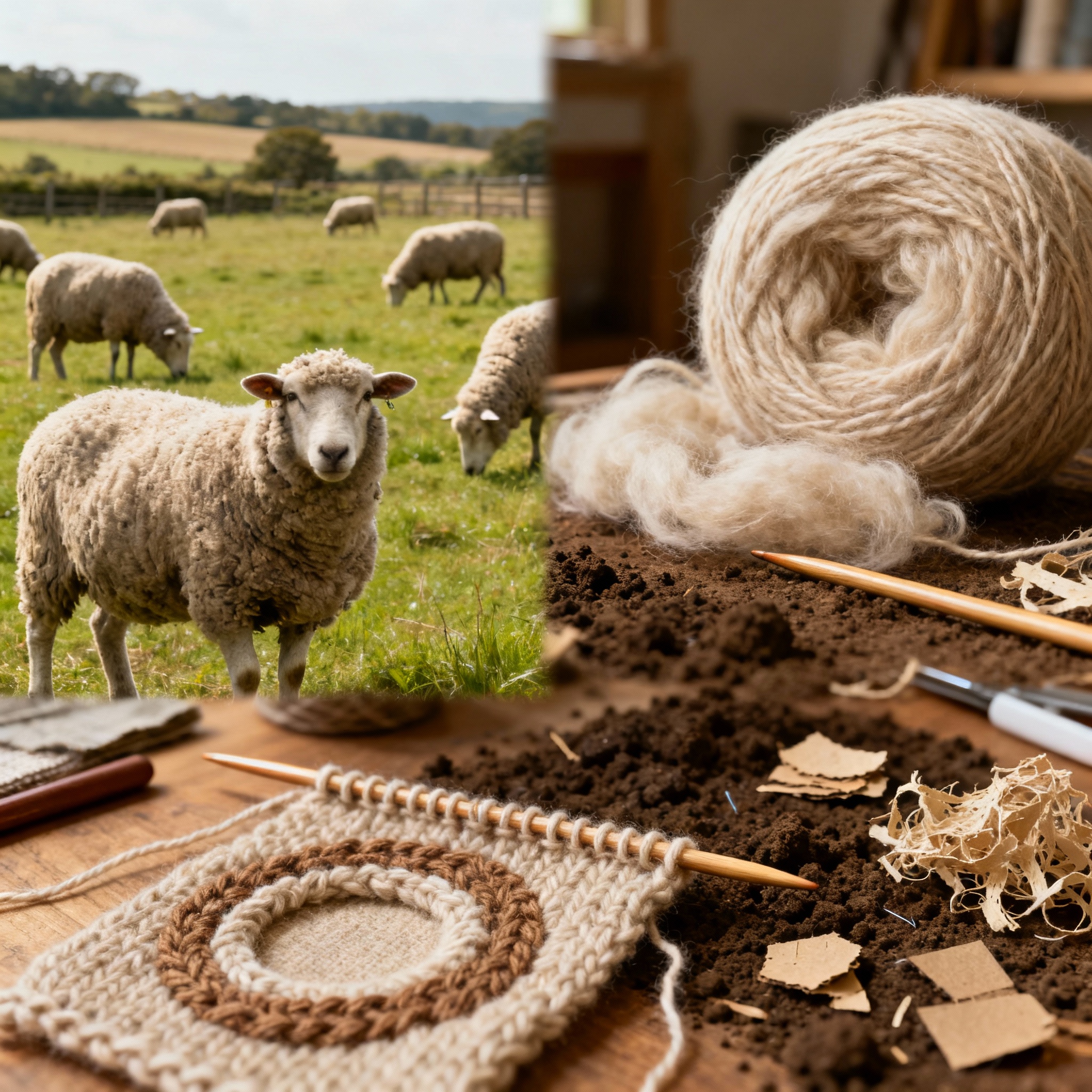
Artisan Excellence
Traditional Techniques
Authentic spinning wheel methods and time-honored craftsmanship
Natural Materials
Premium selection of sustainable and ethically sourced fibers
Quality Focused
Investment-quality yarn for discerning fiber artists
Handmade Spun Wool • Artisan Yarn • Natural Fiber Creations • Fiber Art
15+ Years of Excellence | Périgord Vert, France
Frequently Asked Questions
Artisan Fiber Craft & Natural Wool Expertise
Hand-spun wool is superior because it preserves the natural fiber elasticity, and lanolin have no chemicals treatments, resulting in a yarn that is more durable, warmer, and structurally unique compared to industrial versions.
The Structural Advantage
Unlike industrial machines that apply uniform stress, hand-spinning allows the artisan to adjust the Twist Per Inch (TPI) based on the fleece’s specific staple length. This manual control creates a “living” yarn with intentional air pockets for better insulation and prevents the “pilling” common in commercial yarns, ensuring the garment lasts for decades.
To start, you only need a drop spindle, prepared wool roving, and basic drafting techniques; it is a low-investment craft that rewards patience and muscle memory.
The Learning Curve
Beginners should focus on the “Park and Draft” method, which separates the act of spinning the spindle from the act of thinning the wool. Mastering this coordination before moving to a spinning wheel prevents frustration. Using medium-staple fibers like Corriedale or Bluefaced Leicester provides the perfect balance of grip and glide for those just starting.
Natural wool is 100% biodegradable, renewable, and carbon-sequestering, making it the most sustainable choice compared to petroleum-based synthetic fibers.
Ecological Impact Analysis
Wool garments decompose in soil within 6-12 months, releasing nitrogen back into the earth. Unlike polyester or acrylic, wool produces zero microplastics during washing. Furthermore, the biogenic carbon cycle of sheep means wool stores carbon, directly contributing to a circular and regenerative textile economy.
Yes, the growing demand for artisan, sustainable textiles creates viable market opportunities for skilled fiber artisans on platforms like Etsy or at regional fiber festivals.
Building Your Niche
Success in the fiber arts business relies on differentiation: breed-specific yarns (like rare Shetlands or Merinos) and natural hand-dyeing techniques are highly sought after. Building a brand around the “story” of the fiber—from the specific farm to the final skein—creates the transparency modern eco-conscious buyers demand.
Hand-spun yarn is ideal for heirloom garments, rustic sweaters, and textured accessories where the natural variation of the yarn can act as the primary design element.
Project Matching
Because hand-spun yarn often has slight thickness variations (slubs), it excels in simple stitch patterns like Garter or Stockinette, where the texture creates a rich, organic fabric. It is also perfect for weaving, as the inherent strength of hand-twisted fibers provides excellent tension on the loom for shawls and blankets.
The timeline varies by skill and equipment; a beginner on a drop spindle might take 20-30 hours for a sweater quantity, while an expert on a wheel can do it in 10-15 hours.
Efficiency vs. Artistry
Speed is governed by muscle memory and fiber preparation. Pre-carded roving significantly reduces time compared to working from raw fleece. However, the “slow-spinning” movement emphasizes the meditative quality of the craft, where the time invested contributes directly to the emotional and market value of the finished heirloom.
Woolen spinning creates a fluffy, airy, and warm yarn, while worsted spinning produces a smooth, strong, and lustrous yarn with high stitch definition.
Technical Distinction
In worsted spinning, fibers are combed parallel to remove short hairs, creating a dense yarn that resists pilling—perfect for socks and lace. In woolen spinning, fibers are carded into a jumble, trapping air to create a springy yarn with maximum loft, ideal for cozy, lightweight winter garments.