
Artisan Glass Artistry
Handmade Tiffany Glass Lamps & Decorative Art
The Timeless Copper Foil Technique
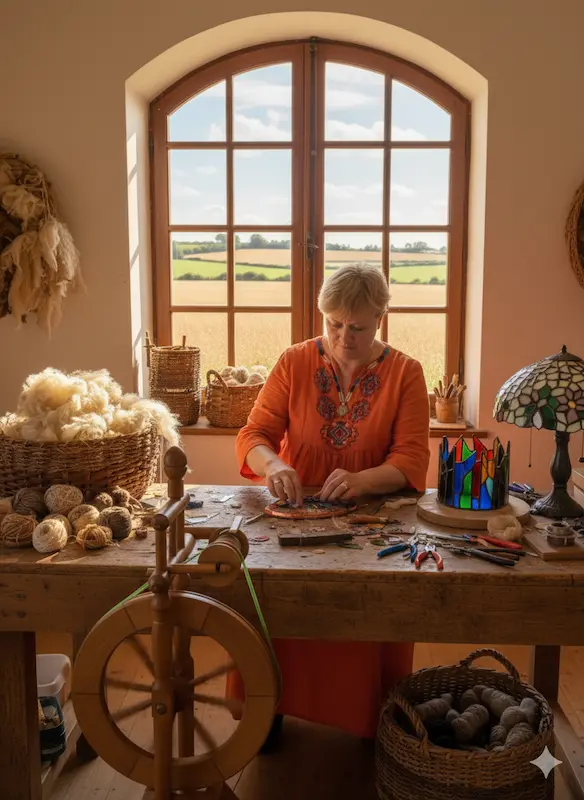
For over 10 years, Rosella Novelli has created exceptional handmade Tiffany glass lamps and decorative pieces using the revolutionary copper foil technique—pioneered by Louis Comfort Tiffany in the late 1800s.
Each piece represents hours of meticulous work: precise glass cutting, careful copper foil application, expert soldering, and artistic vision. Based in the serene Périgord Vert region of France, her studio produces bespoke stained glass art that captures light in ways mass production cannot achieve.
“Each Tiffany glass creation tells a story—of materials carefully selected, techniques thoughtfully applied, and visions transformed into luminous reality.”
✨ Investment-Quality Artisan Craftsmanship


The Artisan Advantage: Craftsmanship Versus Standardization
Modern consumers increasingly recognize distinctions between authentic Tiffany glass art and mass-produced imitations. Industrial manufacturers prioritize efficiency and cost reduction, employing processes that sacrifice the nuanced character distinguishing genuine handcrafted glass lamps from their commercial counterparts.
Authentic copper foil Tiffany lamps created by skilled artisans demonstrate observable superiority in several dimensions. The glass selection itself reveals the difference—rather than uniform, economy-grade glass sheets, artisans source specialty materials featuring the subtle variations, textures, and light-play characteristics that sophisticated collectors appreciate.
Soldering Quality Distinguishes Authentic Work: Handmade Tiffany pieces feature consistent solder beads, appropriate thickness, and clean joints—hallmarks of experienced craftsmanship. Mass production sacrifices consistency, resulting in uneven beading and structurally compromised connections prone to failure.
Light Transmission and Visual Character
How Tiffany glass decorative items transmit and refract light represents perhaps the most immediately perceptible distinction from mass production. Artisans carefully select glass pieces considering how warm evening light interacts with specific colors and textures.
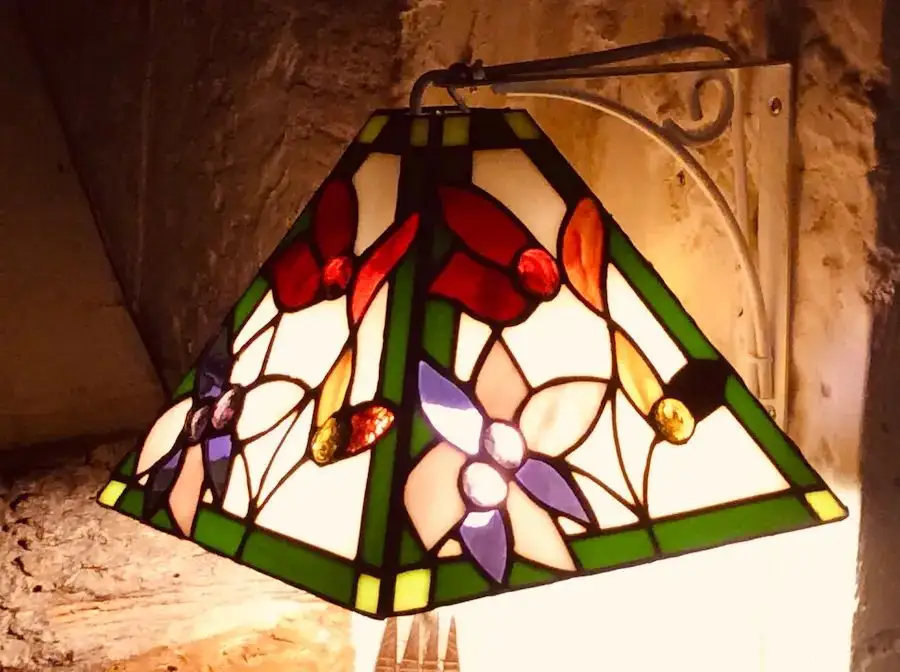
When a handcrafted Tiffany lamp illuminates a room, light transforms differently than through standard fixtures—colors glow with warmth, shadows contain subtle richness, and the overall effect becomes almost theatrical in its beauty. Industrial alternatives, while potentially colorful, typically lack this sophisticated light-play, often appearing flat with colors displaying without dimensional quality.
Visual Superiority Evident Immediately: Comparing authentic Tiffany copper foil lamps with commercial imitators reveals the dramatic difference—handcrafted pieces possess dimensional quality, sophisticated color depth, and luminous character impossible to mass-produce.

Growing Appreciation for Artisan Glass Lighting
Recent market trends reveal substantial and accelerating interest in handmade glass art and authentic Tiffany lamp design. Interior designers increasingly specify genuine artisan stained glass pieces for residential and commercial projects, recognizing how these elements elevate spaces beyond standard lighting solutions.
This contemporary revival reflects broader cultural movements toward artisanal craftsmanship, sustainable production practices, and meaningful consumption. Rather than accumulating mass-produced items, discerning buyers invest in handcrafted glass decorative pieces that gain character with time and tell stories through their creation.
The Tiffany Glass Decorative Market: Continues expanding, driven by consumers seeking investment-quality pieces combining artistic merit with functional purpose.
Investment Value and Collecting
Serious collectors increasingly recognize authentic Tiffany glass lamps as legitimate investment opportunities. Vintage originals command substantial prices at auctions and specialty dealers, with exceptional pieces reaching tens of thousands of dollars. Contemporary handmade Tiffany lamps created by accomplished artisans similarly appreciate over time.
This investment perspective differs markedly from viewing stained glass decorative art merely as disposable home décor. Genuine copper foil Tiffany pieces resist obsolescence; their aesthetic values transcend passing trends, remaining relevant and desirable across generations. Many collectors specifically seek artisan glass creations for both personal enjoyment and long-term financial appreciation.
Collector’s Insight: Investment-quality Tiffany lamps combine artistic beauty with tangible financial value—pieces that appreciate while enriching living spaces.

Sustainability and Ethical Craftsmanship
The artisan Tiffany glass lamp movement aligns naturally with contemporary environmental consciousness. Unlike industrial manufacturing demanding substantial energy inputs and generating significant waste, handcrafted glass production operates with minimal environmental footprint. Artisans typically source reclaimed or specialty glass materials, reducing demand for new manufacturing.
Soldering techniques in authentic Tiffany glass art increasingly employ lead-free alloys, eliminating toxic materials. When investing in handcrafted glass decorative pieces, buyers directly support skilled artisans maintaining traditional glasswork techniques while sustaining communities where this craft remains central to cultural identity.
Supporting Artisanal Communities: Each purchase of genuine copper foil Tiffany lamps sustains economies where traditional glasswork remains culturally significant.
Studio Excellence
Artistic Vision
Contemporary designs honoring Tiffany tradition
Technical Excellence
Master-level copper foil & soldering
Sustainable Art
Ethical materials & eco-conscious practices
Handmade Tiffany Lamps • Copper Foil Art • Decorative Glass • Artisan Craftsmanship
10+ Years of Excellence | Périgord Vert, France
Frequently Asked Questions
Mastering the Tiffany Copper Foil Technique
The main difference lies in the joining material: the Tiffany method uses flexible copper foil to wrap glass pieces, allowing for intricate, organic details, while traditional stained glass uses rigid lead “cames” suited for larger, geometric windows.
Technical Insight: Design Precision
An authentic handmade Tiffany lamp is valued for its labor-intensive craftsmanship, taking anywhere from 50 to over 200 hours to complete, combined with the use of rare, opalescent specialty glass.
The Artisan Workflow
Mass-produced imitations use thinner glass and lumpy, “cold” solder joints, significantly reducing their lifespan and aesthetic value.
You can identify quality by tapping the glass (it should sound slightly dull due to the foil wrapping), checking for uniform solder lines, and looking for glass with rich textures like ripples or “confetti” effects.
Quality Checklist
Handmade Tiffany lamps are heirloom-quality pieces that can last over 100 years. Maintenance requires only occasional dusting with a soft cloth and avoiding harsh chemical cleaners.
Care & Conservation
Proper conservation ensures the copper foil remains bonded to the glass, preventing “hinge” failures common in poorly made shades.